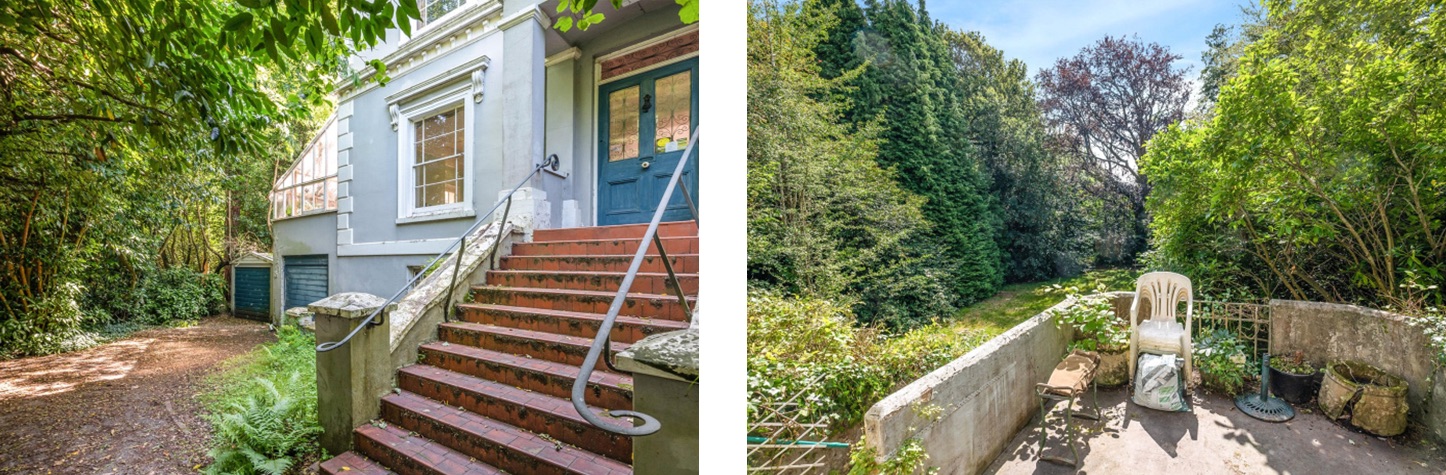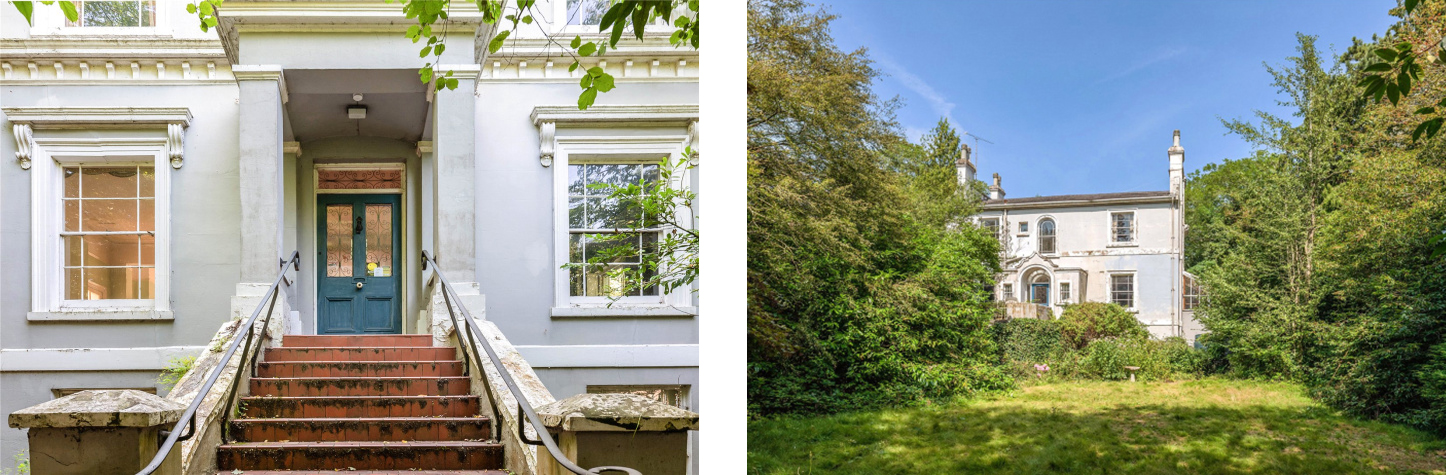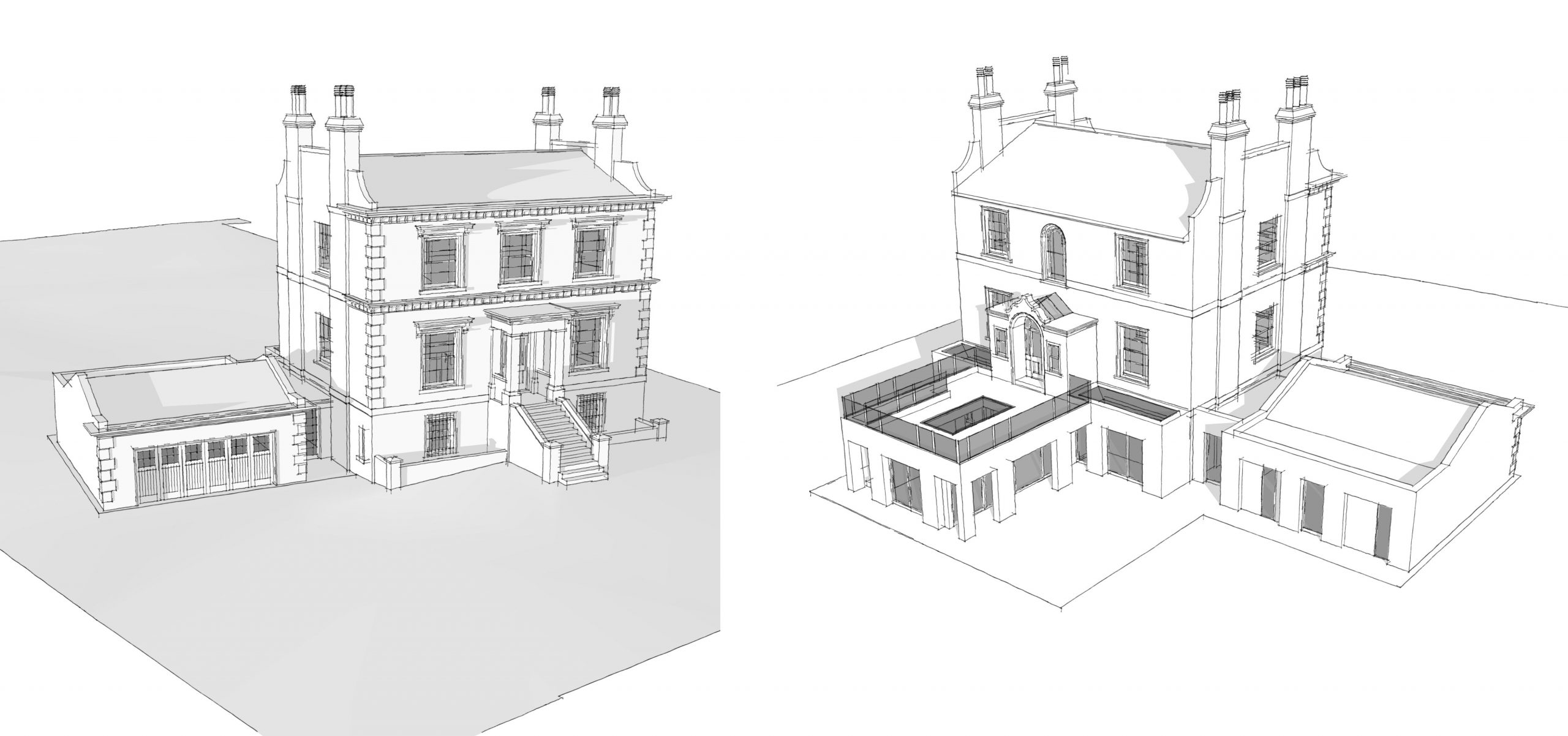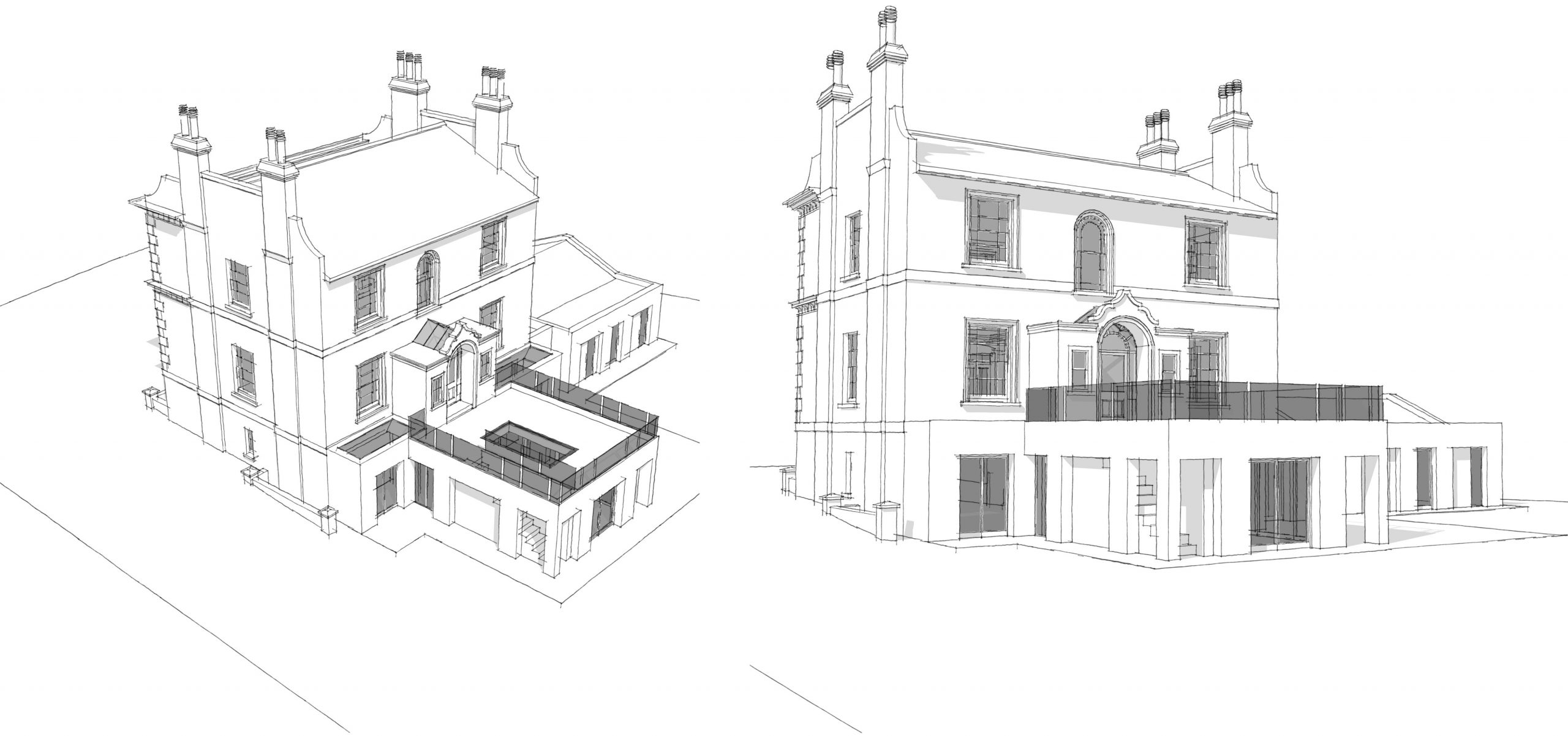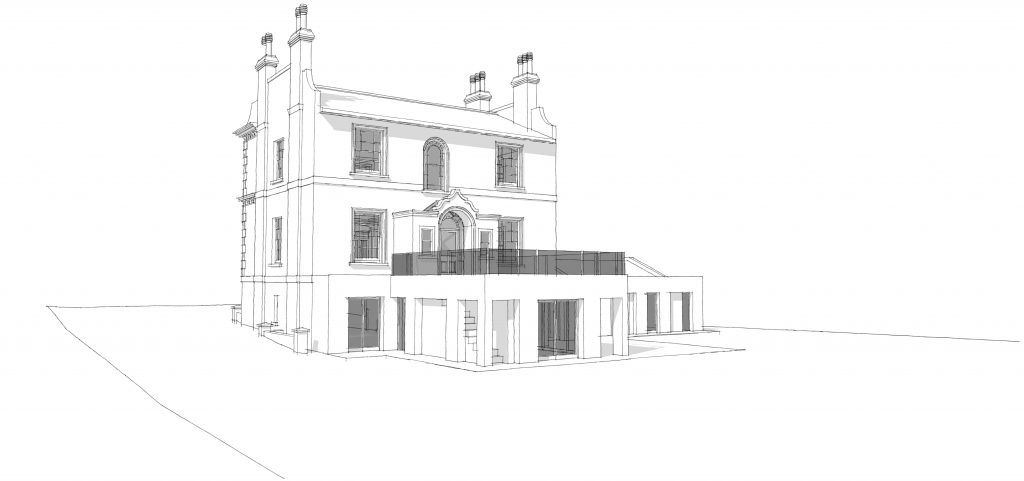


When extending a historic home, the goal is often invisible: how do we add space without “consuming” the original house? Our design philosophy focuses on traditional materials in modern architecture using additions that don’t impose. Instead, through careful positioning and refined detailing, we aim to reveal the hidden character and architectural qualities of the principal dwelling.
Redefining the Material Palette
The secret to a successful heritage project lies in the choice of materials. We believe in using a “re-employed” palette—taking traditional materials in modern architecture and applying them with contemporary precision.
For this project, we selected three core elements:
- Ashlar Stone: Known for its smooth, square-cut finish, Ashlar stone provides a clean, contemporary line that still feels grounded in history.
- Lime Putty Mortar: Essential for historic structures, lime mortar allows for natural movement and breathability, preventing the moisture issues common with modern cement.
- Oak-Framed Fixed Glazing: This adds a touch of warmth and craftsmanship, framing views of the garden while acting as a natural bridge between the stone walls and the outdoors.
By using these materials, we create a dialogue between the old and the new, ensuring the extension feels like a natural evolution of the site rather than a modern intrusion.
| Component | Specification | Benefit |
| Primary Walling | Precision-cut Ashlar Stone | Provides a crisp, modern aesthetic that respects traditional masonry. |
| Bonding Agent | Traditional Lime Putty Mortar | Ensures structural breathability and flexibility for long-term durability. |
| Fenestration | Bespoke Oak-framed fixed glazing | Blurs the line between interior and exterior while adding organic warmth. |
| Design Intent | Non-imposing architecture | Reveals the principal dwelling’s character through form and positioning. |
Frequently Asked Questions: Designing for Heritage Homes
1. How do you ensure a new extension doesn’t overpower the original house?
We achieve balance through “subordinate design.” This means the extension is often lower in height or set back from the main facade. By focusing on traditional materials in modern architecture by using slim-profile materials like Oak-framed glazing, we maintain a sense of lightness that reveals, rather than hides, the original house’s character.
2. Why use Ashlar stone instead of standard brick or rubble stone?
Ashlar stone is finely dressed and precisely cut, allowing for very thin mortar joints. This creates a sophisticated, high-end aesthetic that complements both traditional masonry and modern glass-heavy designs.
3. What are the benefits of lime putty mortar in contemporary works?
Lime putty mortar is softer and more flexible than cement. In heritage contexts, it protects the original stones from cracking and allows moisture to evaporate. Using it in the new extension ensures material consistency across the entire property.
4. Is Oak-framed glazing energy efficient?
Yes. When combined with modern high-performance double or triple glazing, Oak frames provide excellent natural insulation. Oak is also a sustainable, durable material that develops a beautiful silver patina over time, helping the new structure settle into its setting.
Visualising the Connection